
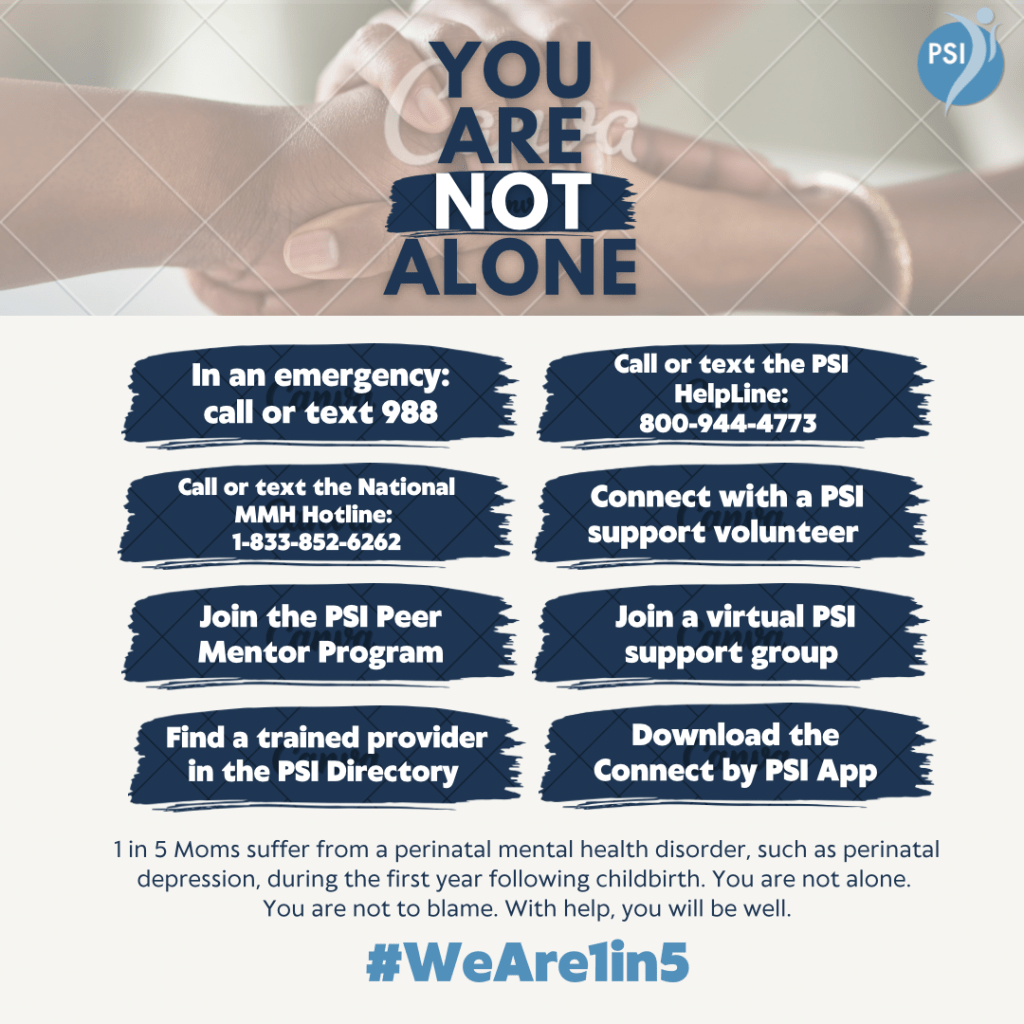
The perinatal period, which includes pregnancy and the first year after childbirth, is a time of immense physical, emotional, and psychological change. While many expectant and new parents experience joy and excitement, others may face overwhelming feelings of stress, anxiety, depression, or even trauma. Despite the prevalence of these challenges, perinatal mental health often remains an under-discussed and under-supported topic which leaves countless individuals to navigate their struggles in silence. I want you to know that you are not alone.
There are many barriers to accessing care the lack of accessible services and affordable perinatal mental health services. Many barriers exist, such as stigma surrounding mental health, limited availability of specialized care providers, and inadequate health coverage for mental health services. For many no one is checking in until 6 weeks after the birth of their child despite this being a critical time of change for the family. For individuals in marginalized communities, these barriers are often compounded by systemic inequities. The result is that many people who need help during this critical time are left without the tools or support they need.
One powerful way to address this gap is by sharing your personal stories of perinatal mental health struggles and recovery. Speaking openly about experiences can:
- Break the Stigma
Sharing your story helps normalize conversations about perinatal mental health. When others hear that they are not alone in their struggles, it can reduce feelings of shame and isolation, this makes it easier for them to seek help. - Foster Empathy and Understanding
Personal stories provide insight into the lived realities of those affected by perinatal mental health challenges. This fosters greater empathy and encourages others—family, friends, and healthcare providers—to offer meaningful support. - Encourage Systemic Change
When people share their experiences publicly, it can shine a light on gaps in the healthcare system and inspire advocacy for better resources, policies, and funding for perinatal mental health care. - Empower Others to Seek Help
Hearing about someone else’s journey to recovery can give others the courage to take the first step toward seeking professional help, reaching out to loved ones, or joining support groups. - Create a Sense of Community
Sharing stories builds connections among those who have faced similar challenges. This sense of solidarity can be deeply healing and empowering for everyone involved.
While sharing your story can be incredibly impactful, it’s also a deeply personal decision. If you’re considering opening up about your experience, it’s essential to do so in a way that feels safe and comfortable for you. Whether through a blog post, support group, or conversation with a trusted friend, your voice has the power to inspire change and offer hope to others navigating similar struggles. Also know if you are not ready or it is too raw and unprocessed right now that is also ok and it’s important to respect that. If you need help please reach out to Postpartum Support International at https://postpartum.net/ or you can Text “Help” to 800-944-4773 (EN) or Text en Español: 971-203-7773 Please know that you are not alone and there is support to offer you a lifeline as you navigate coming out of the darkness.
Together, by raising awareness and breaking the silence, we can work toward a world where every parent has the mental health support they need to thrive. Where no one is left alone to feel like there is no way out of the darkness, together we can climb to the light.
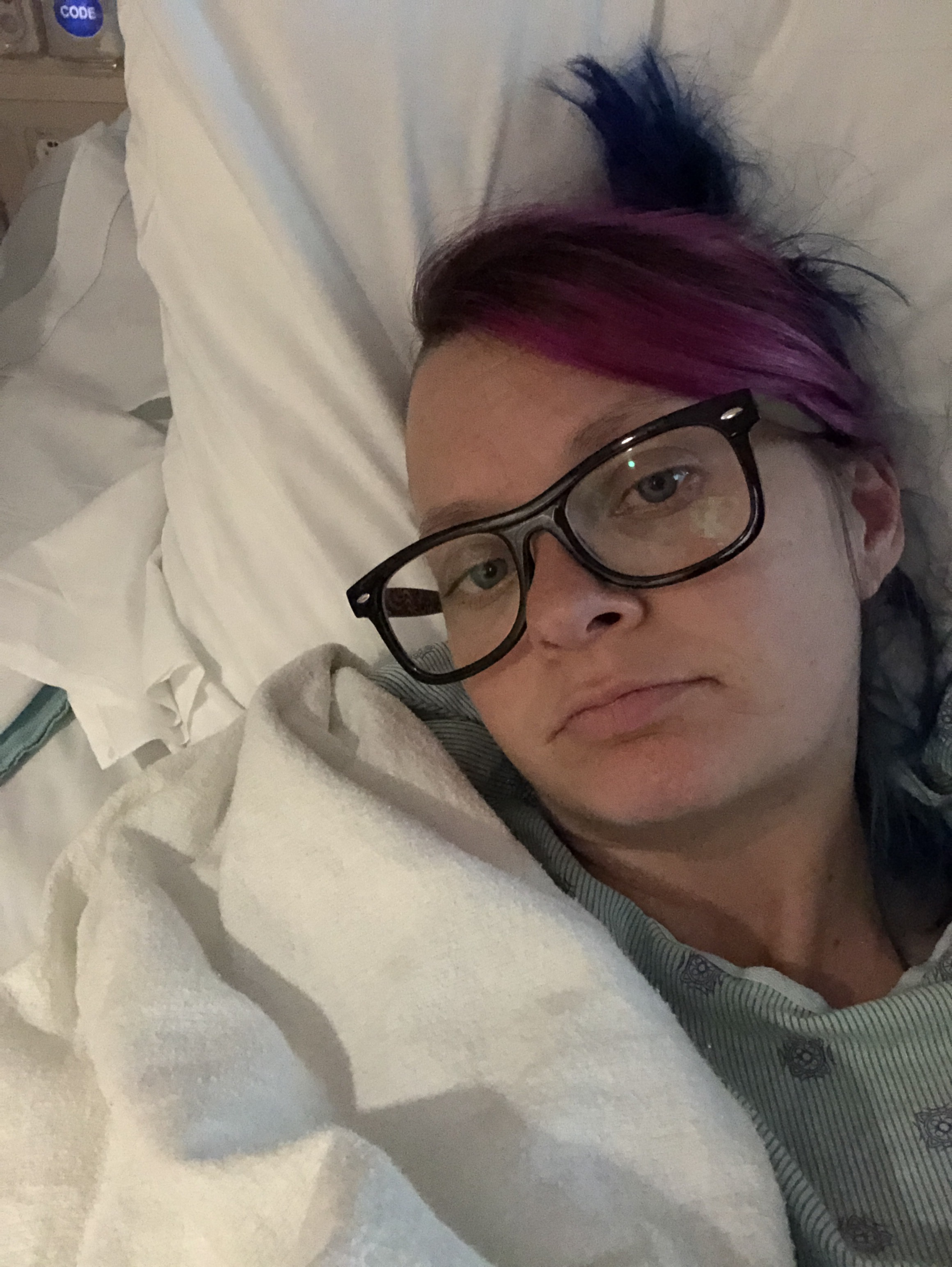
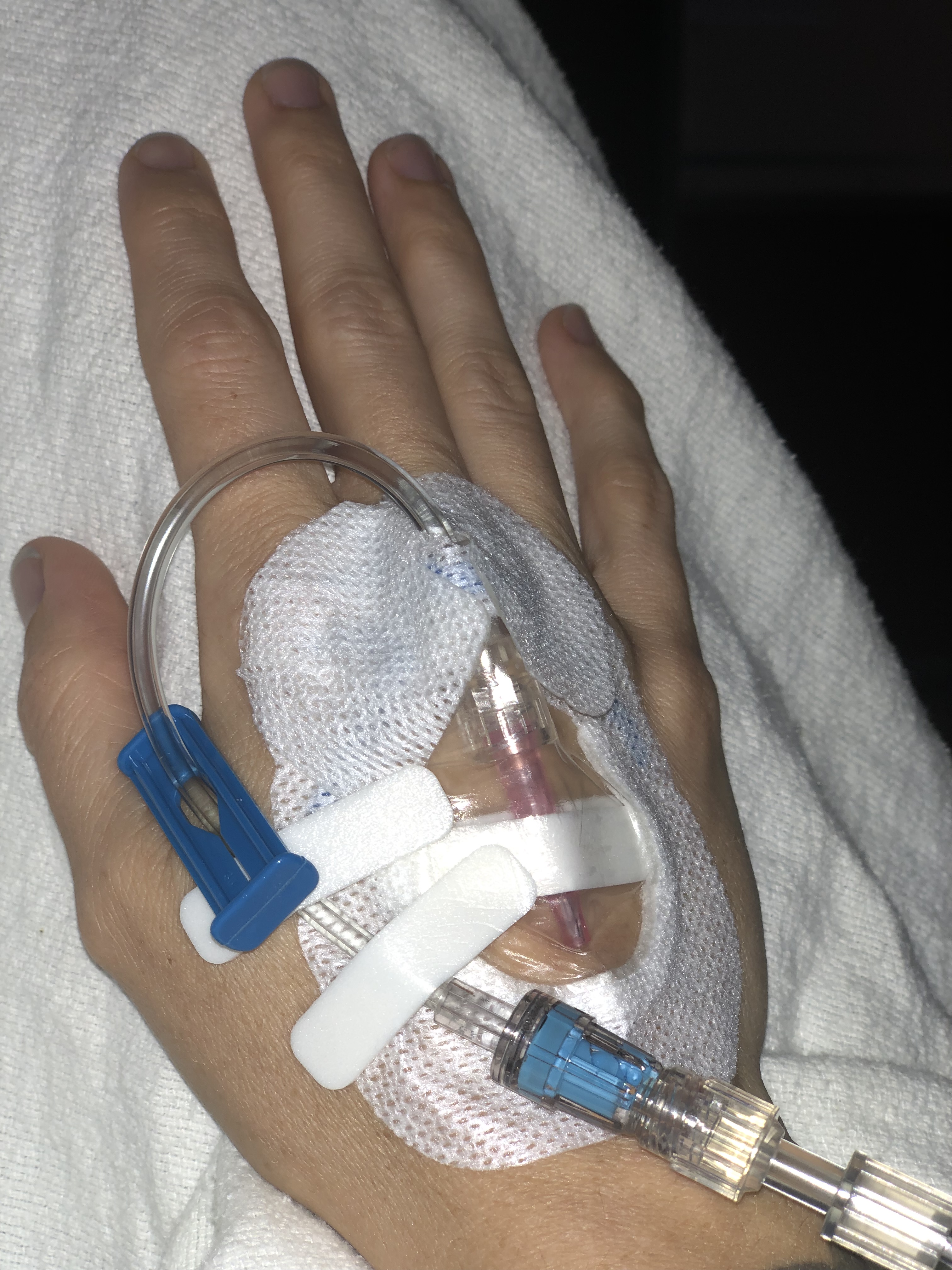
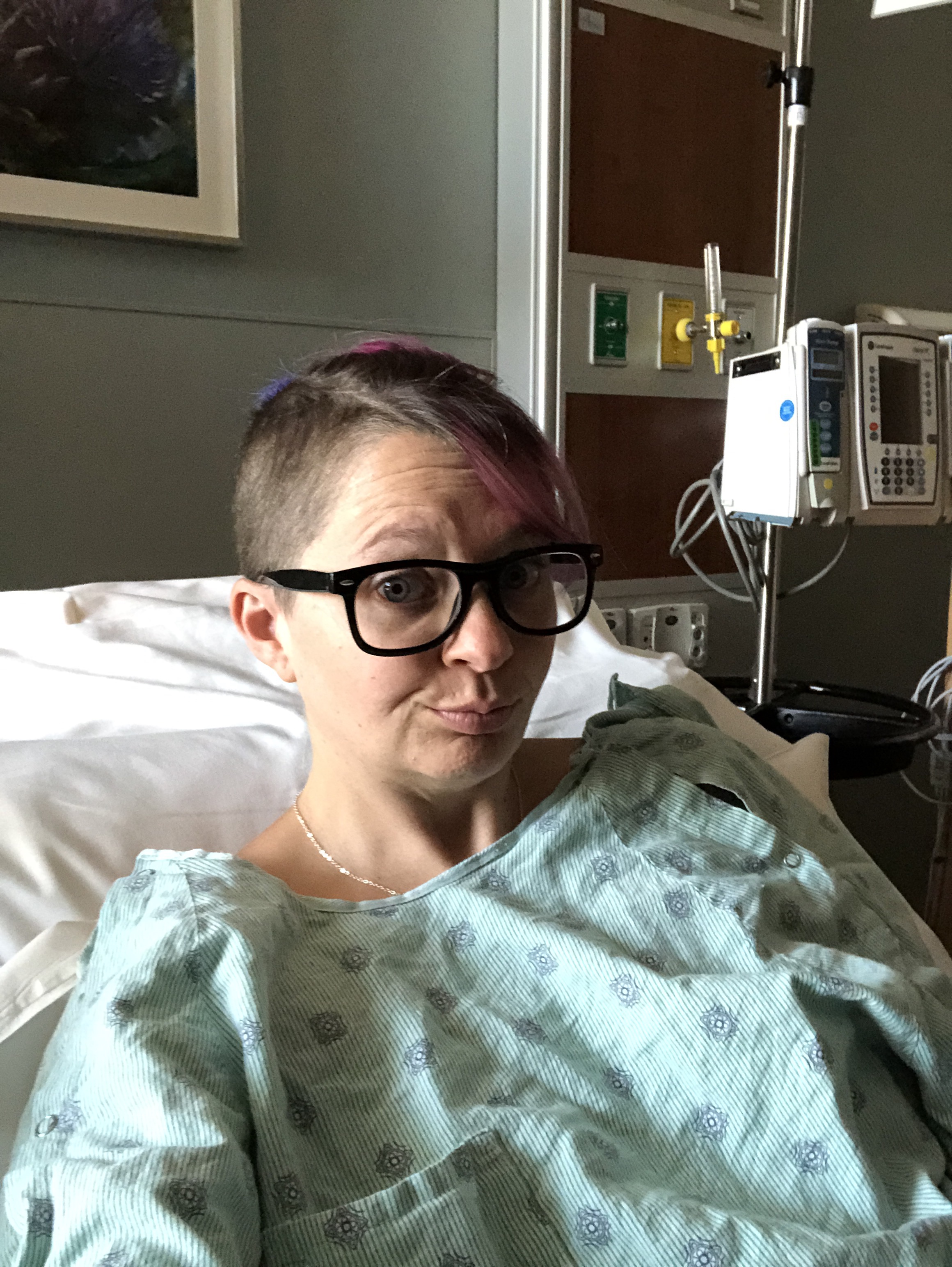
Throughout the month of May I will be sharing more information, resources and my own journey with perinatal mental health and some of the struggles I faced. I hope that you will join me in celebrating Maternal Mental Health Month. Together we can support and build a better future.









 Beautiful Mess Mama